July 17, 2026
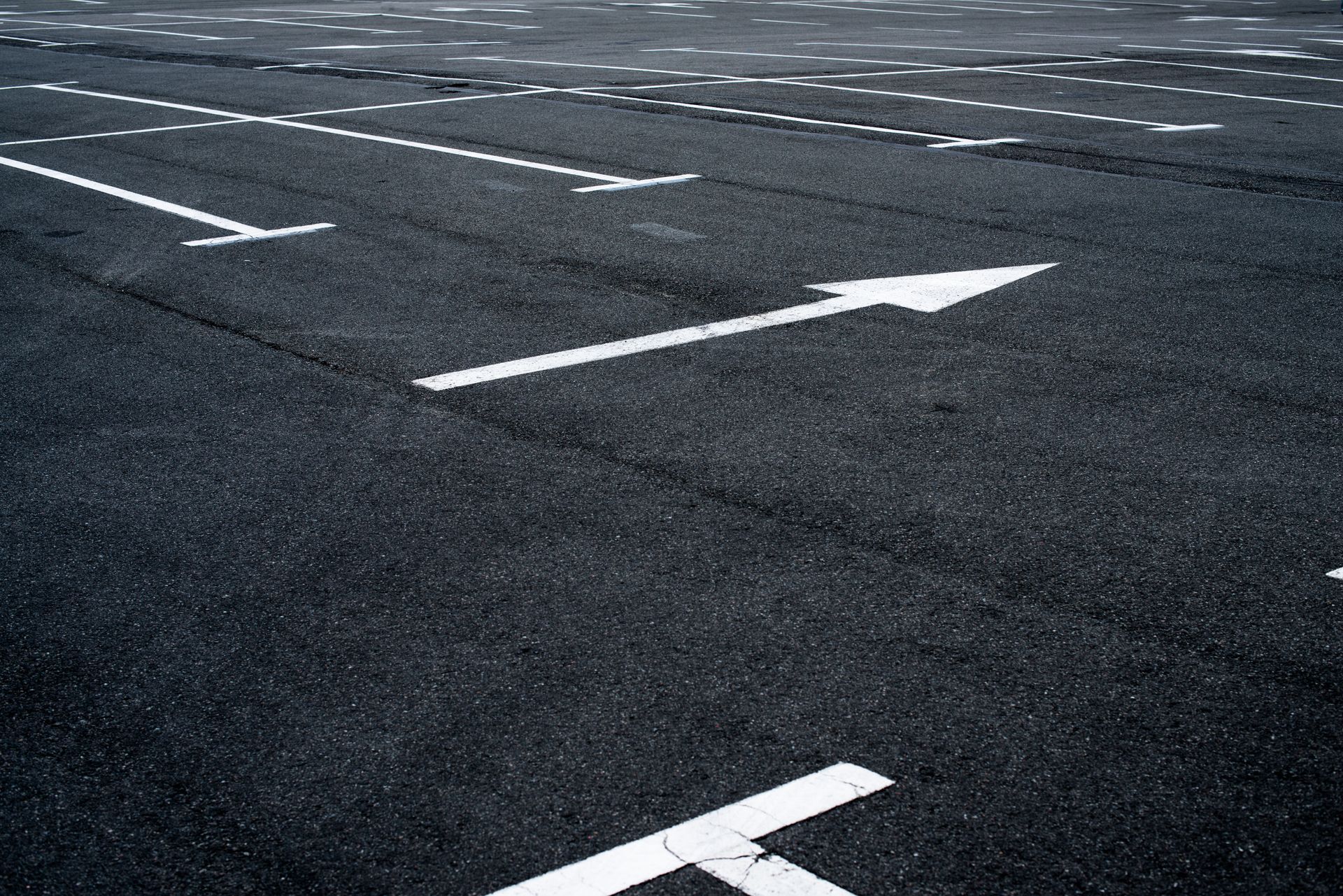
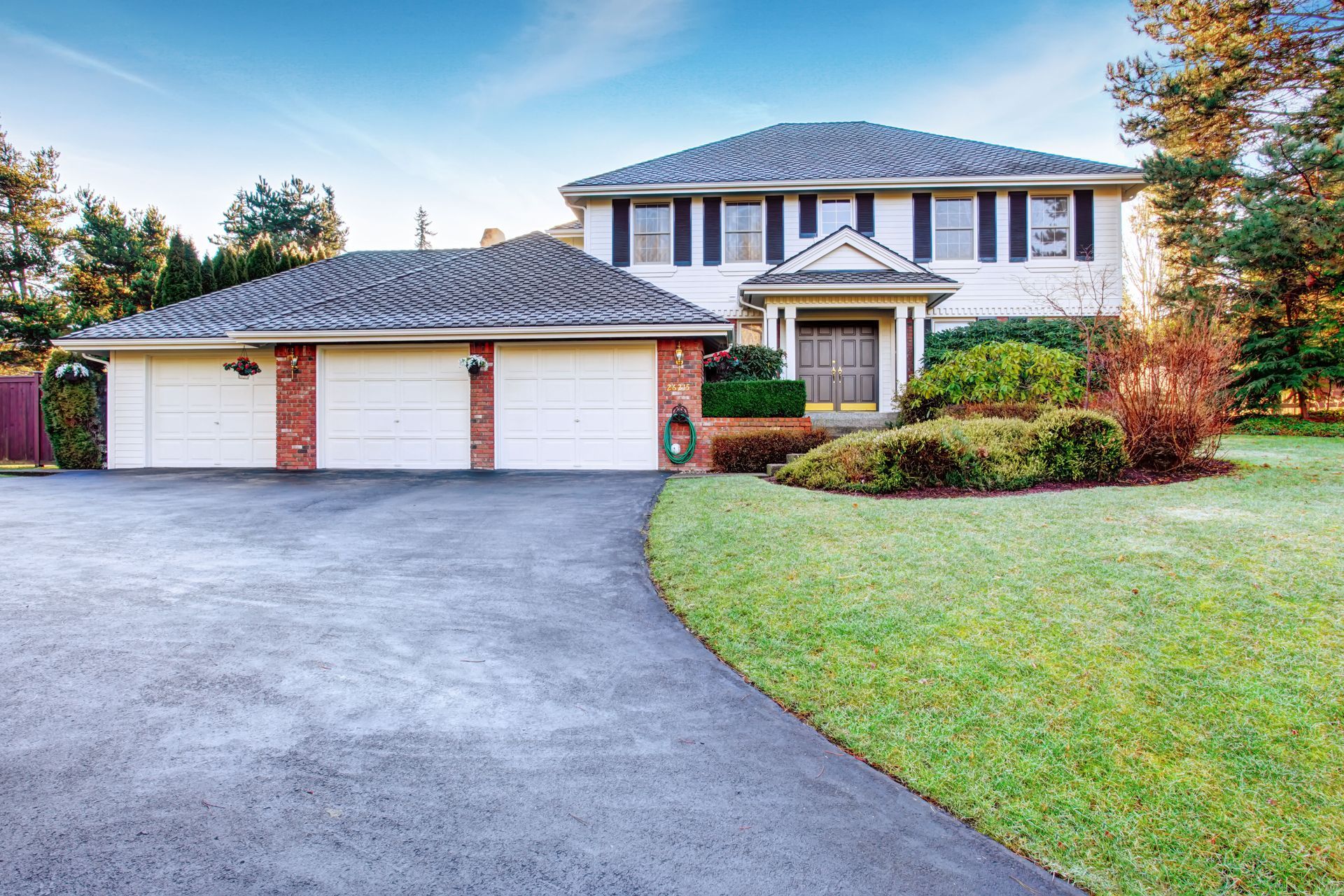
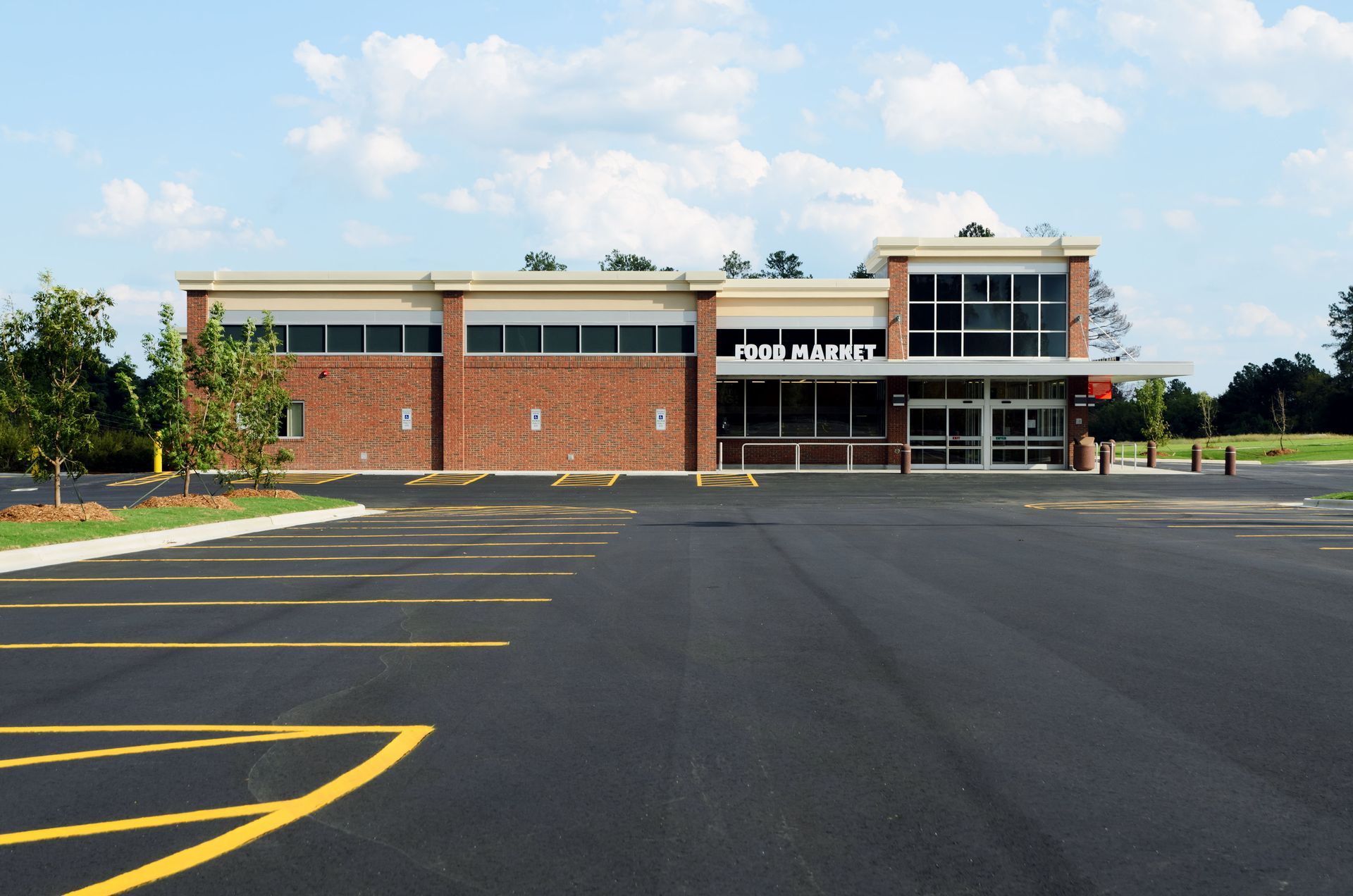
Parking lot surfaces play a major role in how commercial and residential properties function on a daily basis, influencing safety, accessibility, and overall appearance. When selecting a paving material, decision-makers often prioritize strength, longevity, and cost efficiency because these factors directly affect long-term performance and maintenance demands. Asphalt remains one of the most widely used solutions in the industry due to its ability to meet these expectations while supporting consistent traffic flow. Its adaptability under pressure and smooth finish make it suitable for a wide range of environments where durability cannot be compromised. For many property owners, parking lot paving is not just about installation but about choosing a material that continues to perform under changing conditions and heavy use.
According to IBISWorld, asphalt is the preferred material for 90% of U.S. parking lots due to its durability, cost-effectiveness, and ability to withstand heavy traffic and weather conditions. This widespread preference reflects the material’s proven track record in supporting both commercial and public infrastructure. Its balance of performance and affordability makes it a practical choice for projects where long-term reliability matters.
Understanding the Durability of Asphalt Surfaces
Durability is a defining factor in parking lot paving because surfaces must endure constant vehicle movement, temperature shifts, and environmental stress. Asphalt is engineered to absorb impact and distribute weight evenly, which helps prevent premature cracking or structural failure. Its flexible composition allows it to respond to pressure rather than resist it rigidly, reducing the likelihood of damage over time. This makes it especially effective for properties that experience consistent daily traffic and require dependable surface performance.
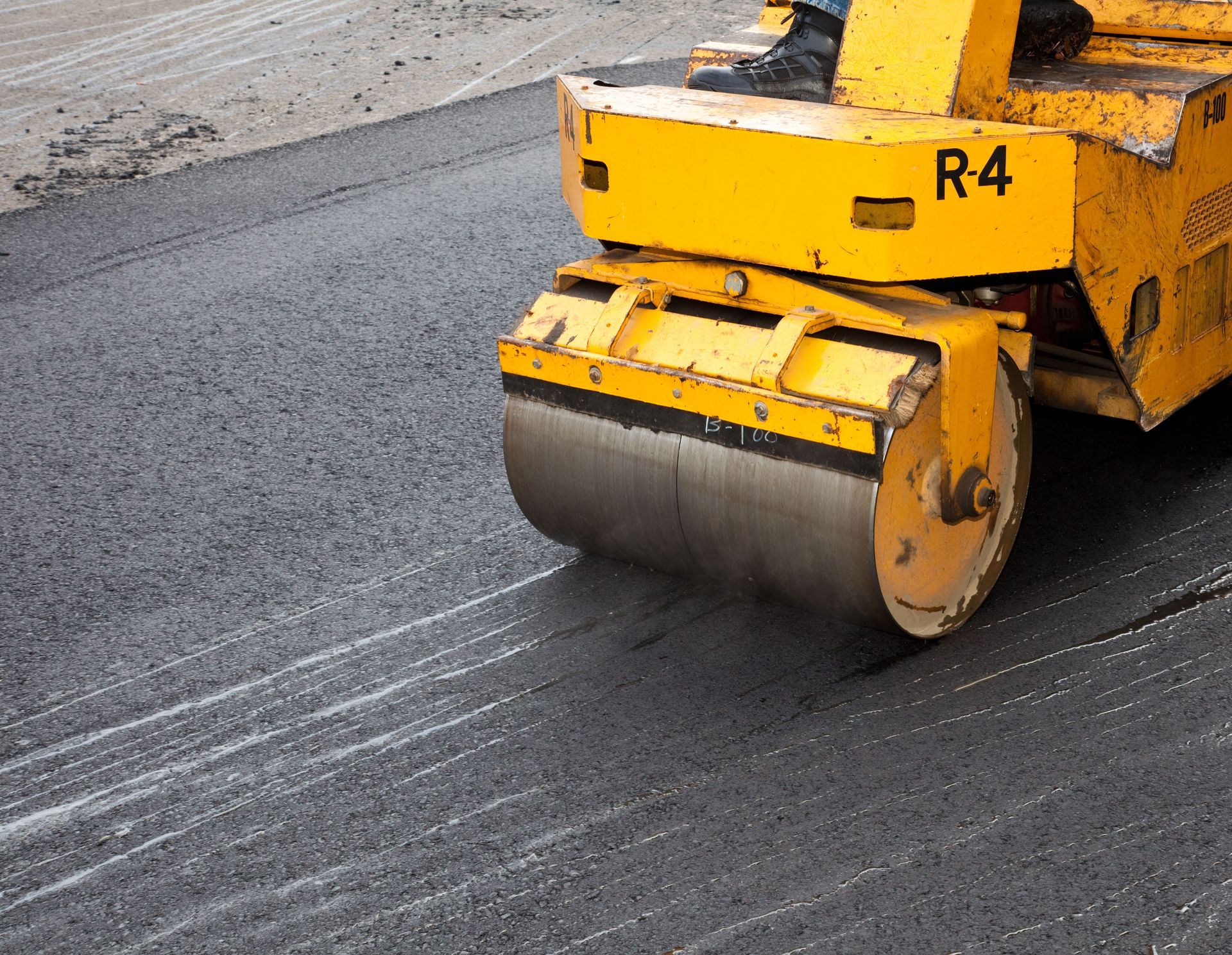
In practice, asphalt durability is heavily influenced by installation quality and ongoing care. Proper compaction and layering create a stable foundation that enhances load-bearing capacity, while routine upkeep helps preserve surface integrity. Sealcoating and timely repairs further extend performance by protecting against moisture intrusion and surface degradation. These characteristics reinforce why paving projects frequently rely on asphalt for long-term dependability and reduced structural concerns.
Exploring the Cost-Effectiveness of Asphalt Paving
Cost considerations are central to nearly every parking lot paving project, especially for businesses managing tight budgets or large surface areas. Asphalt is often chosen because it provides a strong balance between affordability and performance. Its installation process is relatively efficient, which helps reduce labor demands and limits disruptions to normal operations. This efficiency allows property owners to achieve a functional, visually appealing surface without excessive upfront expenditure.
The cost-effectiveness of asphalt extends beyond installation into its long-term financial performance. Maintenance tasks are generally straightforward, and repairs can be completed without extensive reconstruction. When wear occurs, resurfacing offers a practical alternative to full replacement, reducing lifecycle costs. These financial advantages make asphalt a reliable choice for paving where both immediate savings and long-term value are important considerations.
Evaluating Asphalt’s Performance in High-Traffic Areas
High-traffic environments place significant stress on paved surfaces, requiring materials that can withstand repeated use without rapid deterioration. Asphalt performs well under these conditions due to its ability to flex under load while maintaining structural stability. This flexibility helps prevent surface fatigue and allows vehicles to move smoothly across the pavement. As a result, it supports both safety and operational efficiency in busy commercial areas.
When evaluating asphalt in demanding settings, its resistance to rutting and surface deformation becomes especially important. It maintains integrity under continuous pressure from passenger vehicles and heavier commercial traffic alike. Strategic maintenance practices, including periodic resurfacing, help sustain performance and extend usability. These qualities reinforce asphalt as a dependable solution for paving in locations where consistent traffic is unavoidable.
Examining Maintenance and Longevity Benefits
Maintenance plays a key role in determining the long-term success of any parking lot paving investment. Asphalt offers a practical advantage because it requires relatively simple upkeep compared to many alternative materials. Routine cleaning and protective treatments help preserve its appearance and prevent surface deterioration. This proactive approach supports both safety and aesthetics over time.
Longevity is enhanced through early intervention and consistent monitoring of surface conditions. Small cracks can be addressed quickly before they develop into more significant structural issues, helping avoid costly repairs. Regular maintenance schedules also contribute to extending the usable life of the pavement. These benefits make asphalt a strong option for paving projects that prioritize long-term performance with manageable upkeep requirements.
Analyzing Weather Resistance and Flexibility
Weather conditions can significantly influence the performance of paved surfaces, especially in regions that experience seasonal changes. Asphalt is particularly well-suited for these environments because it is designed to remain flexible rather than rigid, allowing it to adjust naturally as temperatures rise and fall. This flexibility helps reduce stress within the surface structure, lowering the likelihood of cracking caused by repeated freeze-thaw cycles and ongoing temperature fluctuations. Its dark coloration also contributes to faster heat absorption, which can help snow and ice melt more efficiently during winter months, improving traction and overall safety for drivers and pedestrians. For parking lot paving, this combination of adaptability and surface performance makes asphalt a dependable choice in climates where conditions change throughout the year.
In real-world applications, asphalt continues to demonstrate strong resilience across both extreme heat and freezing conditions. During warmer periods, it maintains structural stability without softening to the point of deformation, while in colder months it resists becoming overly brittle or prone to fracture. This balance allows it to perform consistently even in demanding environments where surfaces are exposed to repeated seasonal stress. Proper drainage design also plays a major role in extending its lifespan by directing water away from the pavement and preventing saturation of the underlying base layers. When moisture is controlled effectively, the risk of sub-surface weakening is greatly reduced, which helps preserve long-term integrity.
Assessing Long-Term Value for Commercial Properties
Long-term value is a critical consideration for businesses investing in parking lot paving because it directly impacts operational costs and property appeal. Asphalt offers a combination of durability, affordability, and visual consistency that supports commercial needs. A well-maintained asphalt surface contributes to a professional appearance while ensuring safe and efficient traffic flow. This balance makes it a widely used option across various industries. It continues to support consistent performance over time, even under frequent use and changing conditions.
Over time, asphalt continues to provide value through its adaptability and ease of maintenance. It can be modified or expanded as business needs change, making it suitable for evolving commercial properties. Resurfacing capabilities also reduce the need for complete replacement, which supports long-term cost control. These advantages highlight why asphalt remains a strategic choice for parking lot paving focused on sustained performance and return on investment.
Choosing the right material for parking lot paving requires careful consideration of durability, cost, environmental performance, and long-term value. Asphalt consistently meets these requirements by offering a resilient surface capable of handling heavy traffic while remaining cost-effective to install and maintain. Its flexibility allows it to perform well in changing weather conditions, while its repair-friendly nature helps prevent minor issues from becoming major expenses. These combined benefits make asphalt a practical solution for property owners seeking reliable infrastructure that supports daily use and long-term functionality. For those ready to improve or install a new surface, we at Charlie’s Paving Inc are prepared to deliver dependable parking lot paving solutions designed to meet your property’s needs.