July 20, 2026
Asphalt paving plays a critical role in the development and maintenance of the nation’s transportation infrastructure. With its rich history and widespread use, asphalt has become a staple in road construction around the world. It’s only through understanding its ubiquitous influence and adaptability that we can appreciate its full impact on both traditional and modern infrastructure. According to the National Asphalt Paving Association (NAPA), of the 2.8 million miles of paved roads in the U.S., about 94 percent are surfaced with asphalt. This fact alone underscores its dominance and importance in keeping the nation's roads functional and efficient. In exploring the evolution, technicalities, economic implications, and future trends of asphalt paving, we gain insightful perspectives into its necessity and potential advancements.
Exploring Technical Aspects of Asphalt Paving
Understanding Composition and Chemical Properties
Asphalt is a complex mixture primarily composed of bitumen, a binding material derived from crude oil, combined with aggregates like sand, gravel, and crushed stone. Its chemical properties are what give asphalt its characteristic durability and flexibility, making it an ideal material for road construction. Bitumen acts as an adhesive, holding the aggregate components together to form a cohesive pavement structure. The quality and performance of asphalt are influenced by its composition, with different formulations used to enhance specific properties. Understanding these technical intricacies is crucial for engineers to optimize asphalt’s performance and longevity under varying conditions.
Executing the Paving Process from Raw Materials to Roads
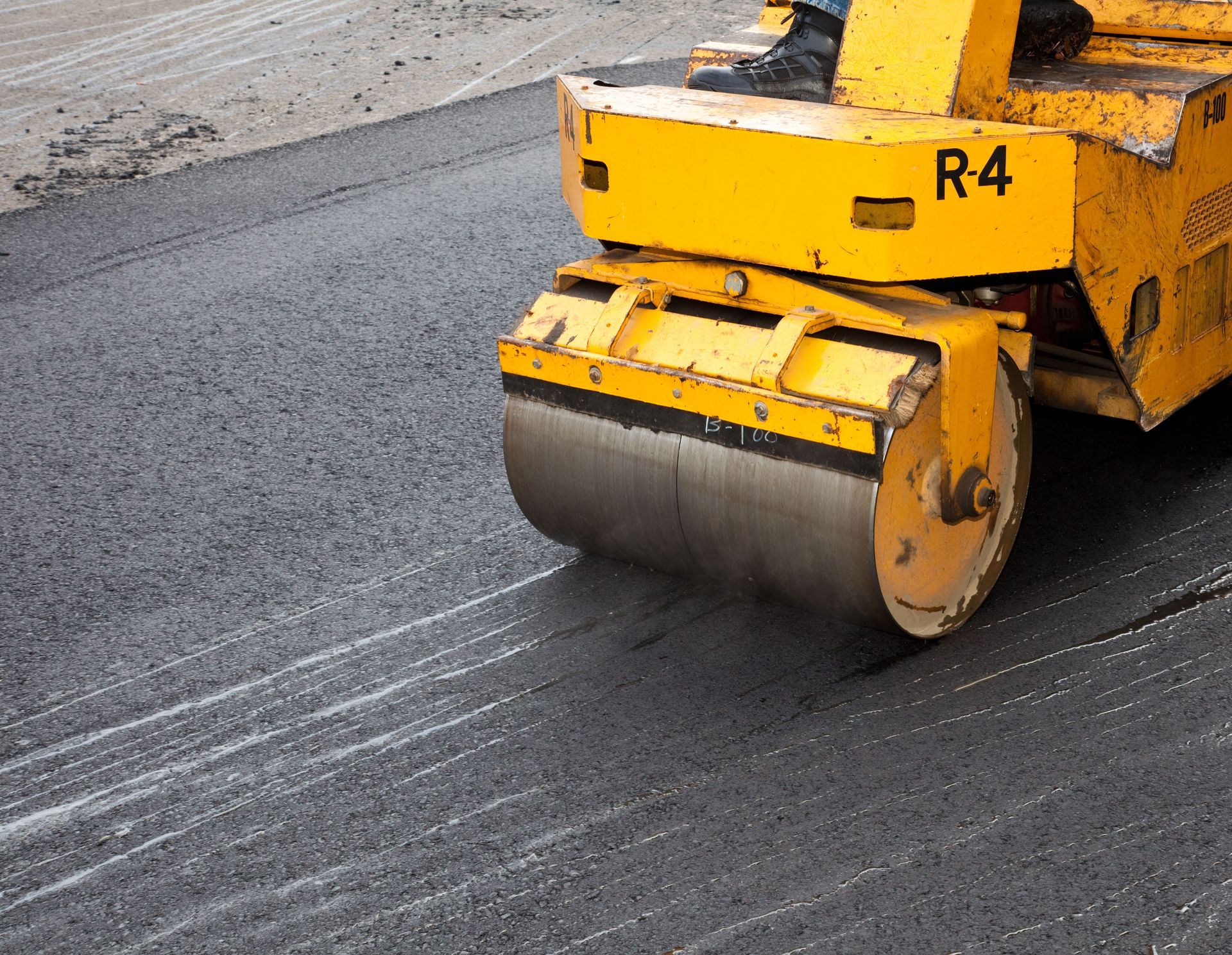
The asphalt paving process is intricate, involving a series of steps from raw material collection to the final road surface. Initially, crude oil is refined to produce bitumen, which is then mixed with aggregates to form an asphalt mixture. Once prepared, the hot mix asphalt is transported to the construction site, where it is spread and compacted to achieve a uniform surface. Specialized equipment, such as pavers and rollers, ensure the asphalt is evenly laid and sufficiently dense. This meticulous process is crucial for the construction of durable roadways that meet engineering standards and withstand traffic demands.
Adopting Technological Innovations in Asphalt Production
Technology has significantly transformed asphalt production, enabling more efficient, sustainable, and high-quality outputs. Innovations such as warm-mix asphalt have introduced lower-temperature production techniques, reducing energy consumption and emissions. Advanced machinery and automated systems have improved precision in mixing and application, minimizing waste and maximizing material use. Research into polymer additives and fibers has enhanced asphalt's resilience to temperature fluctuations, extending road lifespan. These technological strides have streamlined production processes, reduced environmental impact, and resulted in cost savings, reinforcing asphalt's standing as a critical infrastructural material.
Comparing Asphalt with Other Paving Materials
When comparing asphalt to other paving materials, several factors, such as cost, performance, and environmental impact, come into play. Asphalt stands out for its cost-efficiency, ease of installation, and durability, often making it the preferred choice for road construction. Concrete, an alternative material, while offering excellent strength and longevity, typically requires higher initial investments and extended curing times. The flexibility of asphalt to withstand freeze-thaw cycles and heavy traffic further enhances its appeal in various climatic conditions. Overall, while alternatives exist, asphalt's advantages in cost and adaptability sustain its dominance in paving applications.
Analyzing the Economic Impact of Asphalt Paving
Supporting the Role in National Job Creation
Asphalt paving significantly contributes to national job creation, supporting a diverse range of occupations across various sectors. The construction and maintenance of infrastructure employ workers in manufacturing, transportation, and engineering, among others. Major road projects demand skilled labor, from engineers designing roadways to construction crews executing projects onsite. Furthermore, indirect employment is generated in industries supplying materials and equipment necessary for sustained operation. Collectively, this bolsters local economies and provides stable employment opportunities for thousands of individuals.
Enhancing Cost-Efficiency in Road Construction
Asphalt paving is celebrated for its cost-efficiency, making it the material of choice for many road construction projects. Quick installation times and minimal curing periods translate to reduced labor costs and project disruptions. Its ability to be conveniently repaired and maintained adds to its economic appeal, minimizing lengthy and costly shutdowns. Economies of scale also come into play, whereby large projects reduce unit costs through bulk purchases and streamlined production. Consequently, asphalt remains a budget-friendly option for constructing durable roads that effectively accommodate traffic.
Driving Economic Growth Through Improved Infrastructure
Improved infrastructure through asphalt paving stimulates economic growth by enhancing connectivity and accessibility. Efficient road networks facilitate the movement of goods, services, and people, thereby propelling trade and commerce. In urban areas, well-maintained roads reduce congestion and travel times, boosting productivity. Likewise, rural areas benefit from improved access, enabling economic activities previously hindered by poor transportation links. As infrastructure advances, it lays a foundation for sustained economic development, attracting investment and fostering growth.
Exploring Asphalt Paving and Environmental Considerations
Implementing Sustainability Practices in Asphalt Production
Sustainability practices in asphalt production have gained traction as environmental concerns rise. Techniques such as warm-mix asphalt reduce energy consumption and emissions compared to traditional hot-mix methods. Incorporating recycled materials like reclaimed asphalt pavement into new mixtures conserves resources and minimizes waste. Sustainable procurement of raw materials, coupled with efficient production processes, further enhances asphalt’s environmental profile. By integrating sustainable practices, the industry demonstrates its commitment to balancing infrastructural development with environmental preservation.
Adopting Innovations for Reducing Environmental Impact
Innovations targeting reduced environmental impact are increasingly prevalent within the asphalt paving industry. Advances in materials science have led to the development of eco-friendly additives that enhance asphalt performance while minimizing environmental harm. The use of bio-based modifiers and synthetic fibers aids in reducing reliance on non-renewable resources. Closed-loop recycling processes efficiently repurpose end-of-life materials into new asphalt mixtures. Continual research and development ensure progressive reductions in asphalt's ecological footprint, aligning construction practices with sustainable goals.
Anticipating Future Trends in Asphalt Paving
Integrating Emerging Technologies and Innovations
Emerging technologies and innovations are set to redefine asphalt paving, enhancing efficiency and sustainability. Developments like 3D printing are poised to revolutionize material applications, providing precision in customized road solutions. Artificial intelligence and machine learning facilitate predictive analysis, optimizing maintenance schedules and resource allocation. Nanotechnology may introduce superior materials, improving asphalt’s durability and adaptability to environmental changes. As these technologies mature, they promise a new era of intelligent, resource-efficient asphalt paving practices.
Predicting Demand Through Infrastructure Planning
Infrastructure planning must incorporate predictive analytics to anticipate future demand for asphalt paving. Urbanization trends and population growth necessitate expanded capacities and more sophisticated infrastructure networks. Traffic data collection and analysis support informed decision-making, enabling proactive infrastructure investments. Predicting future asphalt requirements ensures timely project execution, reducing congestion and supporting economic growth. Utilizing predictive insights allows for strategic resource allocation, ensuring seamless adaptation to evolving infrastructural needs and expectations.
Asphalt paving remains an essential component of modern infrastructure, providing durable, cost-effective, and adaptable solutions for road construction and maintenance. Its technical advantages, economic benefits, and ongoing innovations ensure that it continues to meet the demands of growing urban and rural areas alike. By understanding the intricacies of asphalt composition, paving techniques, sustainability practices, and emerging trends, stakeholders can make informed decisions that enhance road quality, extend service life, and support economic development. For municipalities, businesses, and developers seeking reliable asphalt paving solutions, partnering with experienced professionals ensures efficiency, quality, and long-term value. To take the next step in achieving high-quality, durable paving for your projects, contact Charlie's Paving Inc today and benefit from expert services tailored to meet your infrastructure needs.