November 20, 2026
A driveway's design affects its ability to handle daily traffic, manage water runoff, withstand seasonal weather, and maintain its appearance. For New Jersey property owners, changing temperatures, snow, and freeze-thaw cycles make these considerations especially important. Professional driveway services account for factors such as layout, slope, drainage, dimensions, and pavement thickness, helping create a surface that supports long-term performance while complementing the property's overall appearance.
Planning a Layout That Supports Daily Use
The overall layout is one of the first considerations in driveway design. A driveway should accommodate the property's available space while providing sufficient room for vehicles to enter, exit, park, and maneuver. Its dimensions and configuration can influence convenience, traffic flow, and how much pressure different areas experience over time.
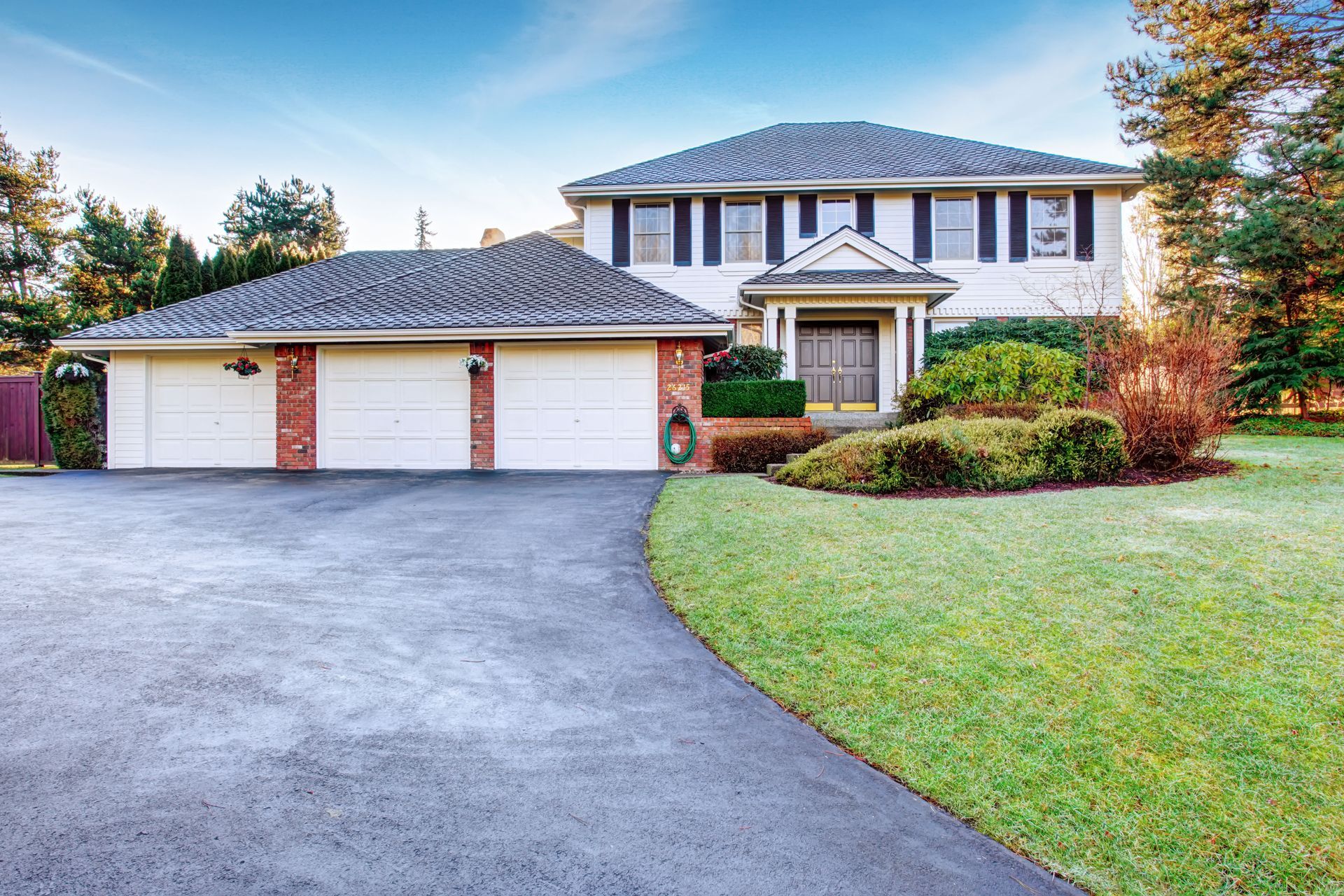
Straight driveways may provide a practical arrangement for properties with relatively direct access to the street. Curved layouts, on the other hand, can work well when landscaping, buildings, or property boundaries influence the available space. Wider entrances may also help accommodate multiple vehicles or larger cars without requiring sharp turns.
The intended use of the driveway should guide these decisions. A household with several drivers may need additional parking space, while a property with frequent deliveries or larger vehicles may require a different configuration. Accounting for these needs during the planning stage helps establish a layout that supports everyday activity without placing unnecessary strain on the paved surface.
Professional driveway services can help property owners evaluate these requirements and determine how the proposed layout fits the property's existing conditions.
Selecting Materials for Local Weather Conditions
Paving materials play an important role in determining how a driveway responds to environmental conditions. In New Jersey, seasonal temperature changes can affect pavement stability, particularly when moisture enters small openings in the surface and freezes during colder months.
Asphalt is a common residential paving material because it provides a durable, relatively flexible surface. Its ability to accommodate some movement makes it a practical option for properties exposed to changing weather conditions. Proper installation and routine maintenance also contribute to its overall performance.
According to The Spruce's survey findings, asphalt driveways generally have a lifespan of 15 to 20 years. Actual longevity depends on several factors, including installation quality, traffic levels, drainage, climate exposure, and ongoing maintenance.
Material selection should also account for the property's appearance and intended use. A driveway that complements the surrounding landscaping, exterior finishes, and architectural style can contribute to a cohesive appearance. At the same time, the material must be appropriate for the expected traffic and environmental demands.
Discussing these considerations during the planning process helps ensure that driveway services address both the property's functional requirements and its long-term goals.
Managing Water Through Proper Grading
Water management is among the most important elements of driveway design. Rainfall, melting snow, and ice can affect pavement when water collects on the surface or flows toward areas where it can contribute to deterioration. Proper grading helps direct water away from the driveway and nearby structures.
A driveway should generally have a carefully planned slope that allows water to move toward suitable drainage areas. Without adequate grading, low spots may develop where water repeatedly collects. Standing water can gradually contribute to surface damage, particularly when freezing temperatures cause moisture to expand within small cracks.
The relationship between driveway slope and surrounding property features also matters. Nearby lawns, walkways, garage entrances, and foundation areas may influence where runoff travels. A well-designed layout considers these elements together rather than treating the driveway as an isolated surface.
Drainage planning is especially relevant in areas of New Jersey that experience substantial rainfall or winter precipitation. Directing water appropriately can help reduce prolonged moisture exposure and support the condition of the pavement.
When evaluating driveway services, property owners should consider whether grading and drainage are included in the overall project assessment. Addressing these factors during installation can help limit preventable water-related concerns.
Establishing Adequate Pavement Thickness
The thickness of a driveway's pavement and supporting base affects its ability to handle vehicle loads. A surface that is not designed for the expected traffic may experience premature cracking, depressions, or other forms of deterioration.
Different properties have different requirements. A residential driveway used primarily by passenger vehicles may have different structural needs from one that regularly accommodates delivery trucks, recreational vehicles, or heavier equipment. The frequency and weight of vehicle traffic should therefore be considered when determining the appropriate construction specifications.
The underlying base is equally important. A properly prepared foundation helps distribute vehicle weight and provides support for the paved surface. If the soil beneath the driveway is unstable or poorly compacted, the pavement may become more vulnerable to shifting and uneven settling.
Soil conditions can vary considerably throughout New Jersey. Some properties may have areas that retain moisture, while others may have uneven ground or existing surface irregularities. Evaluating these conditions before paving helps determine whether additional preparation is necessary.
Professional driveway services can account for site conditions and expected vehicle use when planning the pavement structure. This approach helps establish a surface designed around the property's actual requirements rather than relying on a single configuration for every project.
Incorporating Transitions and Access Points
Driveway design also involves the areas where the pavement connects with other surfaces. These transitions include garage entrances, sidewalks, public roads, parking areas, and adjoining walkways. Their placement and elevation can influence accessibility, vehicle movement, and water drainage.
A poorly planned transition may create an abrupt change in elevation that makes entering or leaving the driveway less comfortable. It may also contribute to drainage concerns if the surrounding surfaces direct water toward the connection point.
Garage entrances deserve particular attention because their elevation can affect how the driveway meets the building. The finished surface should provide a suitable connection while accounting for existing structures and drainage requirements.
The connection between the driveway and the street is another important consideration. Property owners may need to account for available clearance, curb conditions, and local access requirements when planning a new layout. Municipal rules and permitting considerations can vary, making it important to evaluate applicable requirements before construction begins.
Well-planned transitions help create a more consistent paved surface while supporting the practical needs of the property. Including these details in the initial design can also reduce the likelihood of having to address avoidable adjustments later.
Balancing Appearance With Practical Function
A driveway contributes to the overall appearance of a property, making visual design an important consideration alongside structural performance. Its shape, width, finish, and relationship with nearby landscaping can influence how the front of a home looks.
For example, a driveway that follows the natural layout of the property may create a more balanced appearance than one that occupies unnecessary space. Similarly, a carefully considered entrance can establish a clear connection between the street, parking area, and home.
However, appearance should not come at the expense of functionality. A design that looks appealing but does not provide adequate turning space, drainage, or parking capacity may become inconvenient over time.
A well-designed driveway balances appearance, parking needs, and vehicle access. Regular inspections also help identify cracks, drainage issues, and seasonal wear, particularly after New Jersey winters. Professional driveway services can address maintenance needs and help preserve pavement performance based on its material, age, and exposure.
Ultimately, long-term performance begins with thoughtful planning. Charlie’s Paving Inc provides paving solutions for New Jersey property owners looking to improve their driveways with attention to layout, materials, site conditions, and practical use.
Considering these elements together helps create a paved surface that supports daily needs while complementing the surrounding property. Contact Charlie’s Paving Inc today to discuss your driveway paving project and explore options for your property.