
The Most Common New Driveway Installation Mistakes
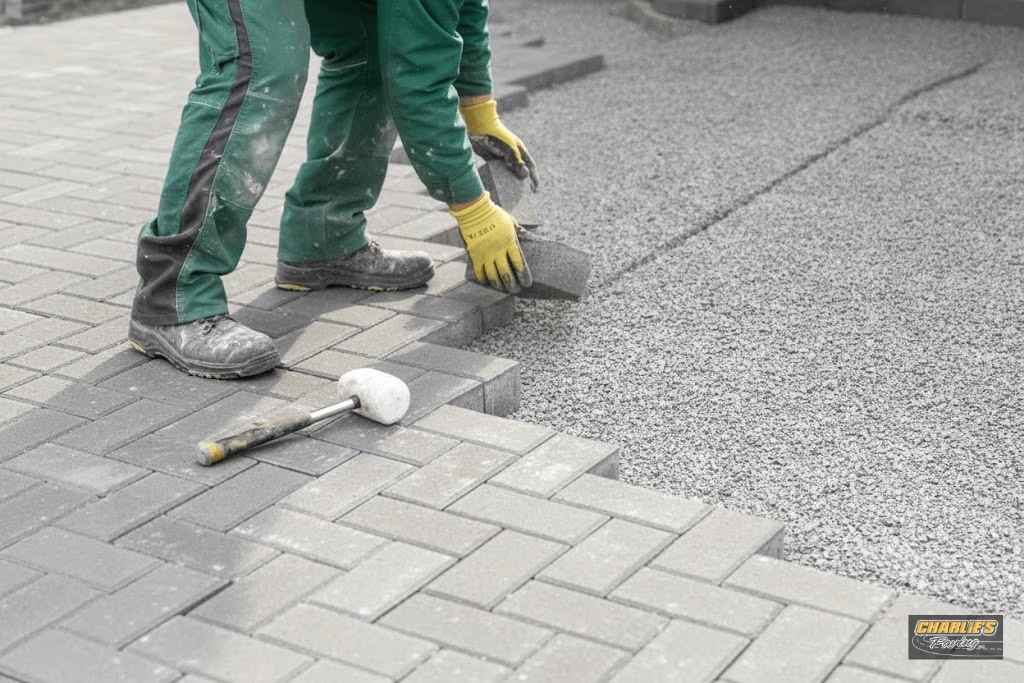
Installing a brand-new driveway is exciting. It boosts curb appeal, improves home value, and makes every arrival feel smoother. But here’s the part many homeowners overlook: even small mistakes during a driveway project can lead to big problems later. The most common new driveway installation mistakes can shorten the life of your driveway and cost you thousands to fix. We want to help you avoid that from the start.
The biggest driveway installation mistake we see is not preparing a strong base. Many homeowners only focus on how the surface looks, but the real strength of a driveway comes from what’s underneath. If the soil is soft or the gravel base isn’t properly compacted, the pavement can start sinking, cracking, or falling apart much sooner than expected.
With years of hands-on experience in residential paving, we’ve seen what works and what goes wrong. So, let’s break down the biggest mistakes homeowners make and the smart moves that keep your driveway strong and reliable for years.
- Introduction
- Skipping Proper Planning & Site Evaluation
- Choosing the Wrong Materials or Cheap Mixes
- Poor Subgrade & Base Preparation
- Ignoring Drainage & Slope
- Wrong Thickness, Weak Compaction & Rushed Curing
- Hiring Inexperienced or Unlicensed Contractors
- Unexpected Costs Caused by Driveway Mistakes
- No Plan for Ongoing Maintenance
- Checklist to Avoid New Driveway Installation Mistakes
- Choose the Right Team for the Job
Skipping Proper Planning & Site Evaluation
A lot of trouble begins long before the asphalt or concrete is poured. When the ground isn’t properly inspected, the driveway won’t have the strong foundation it needs. Common planning issues include:
Soil Conditions Every Homeowner Should Consider
Different soils react differently to weight and weather. Clay can expand and shift. Sandy soil can wash out. Knowing what you’re building on helps prevent sinking and cracks later.
Tree Roots Can Cause Surprises
Large roots under or near the driveway can push up the pavement over time. Planning around trees protects both your driveway and the tree itself.
Permits and Local Rules Matter
Some towns in New Jersey require permits, inspections, or specific drainage standards. It’s easier to handle these before the work starts, not after someone files a complaint.
Why it matters: Weak soil eventually shifts, the surface sinks, and cracks show up sooner than expected.
Smart fix: Have professionals evaluate the site first. A solid plan ensures your driveway can handle your daily use, SUVs, delivery trucks, and even that future RV you’re dreaming about.
Choosing the Wrong Materials or Cheap Mixes
Not all asphalt or concrete is created equal. Some contractors may cut corners with lower-grade materials to offer the cheapest price.
The risk: You may save a little at first, but the driveway may start breaking down long before it should.
What to ask your contractor:
- What mix are you using?
- How thick will the surface layer be?
- Will this withstand freeze-thaw cycles and road salt in winter?
Local climate impacts longevity more than most people realize. In New Jersey, for example, winter alone can stress a poorly chosen material.
Poor Subgrade & Base Preparation
Think of the driveway base like the foundation of a house. If it’s weak, everything built on top will fail.
Signs of a bad base include:
- The driveway feels soft or spongy.
- Edges crumble or settle.
- Water puddles or dips appear.
According to the Asphalt Institute, “the loss of subgrade support is the most frequent cause of premature failures in privately constructed pavements.”
In other words, many driveway and pavement failures trace back to a weak or improperly prepared base, not the surface material itself.
In fact, a 2025 academic study found that asphalt pavements laid over weak subgrades had crack rates that were 18.26 % higher than sections with properly prepared base material.
What a good base needs:
- Existing old driveway material removed.
- Layers of gravel or stone properly compacted.
- Leveling and slope were checked before paving.
A strong foundation means your driveway stays even and durable through every season.
Ignoring Drainage & Slope
Water is the number one enemy of any driveway. When it can’t drain properly, it slowly destroys the surface and base underneath.
Why Water Is Your Driveway’s Worst Enemy
Water that doesn’t drain has only one place to go: down into the base. That leads to weakening, cracking, and frost damage.
Signs of Poor Drainage Homeowners Often Miss
- Water pooling after rain.
- Small dips forming near the edges.
- Water running toward your home instead of the street.
- Soft spots underfoot or vehicle weight.
Adding these in the beginning can prevent major rework later.
What to do instead: Make sure the driveway slopes slightly away from the home, usually 1/8 inch per foot. Channels or drains may also be needed if your property has a steep grade or heavy rain exposure.
When water moves away quickly, your driveway lasts much longer.
Wrong Thickness, Weak Compaction & Rushed Curing
Even good asphalt can fail when installed incorrectly. These three steps are critical:
The Right Thickness for Asphalt Driveways
Most residential driveways should be 2.5–3 inches thick after compaction. Thicker for heavy vehicles or long, curved driveways.
How Professionals Check Compaction
Crews use heavy rollers to compress materials in layers. A properly compacted surface feels firm, not soft or bouncy, even before curing.
Why Rushing the Cure Leads to Early Damage
Fresh pavement is soft underneath. Parking too soon causes dents and uneven spots that never fully go away.
We’ve seen homeowners drive on their new driveway the same day it’s installed and regret it within months.
For best results, it’s important to give your new driveway enough time to fully set before driving or parking on it. Asphalt typically needs 3 to 7 days, depending on weather conditions and temperature, while concrete usually requires 7 to 14 days to properly cure.
A little patience in the beginning goes a long way, which allows the surface to harden correctly and helps prevent early cracks, dents, and other damage, keeping your driveway smooth and durable for years.
Hiring Inexperienced or Unlicensed Contractors
We totally understand the urge to choose the lowest price. But driveway installation isn’t a quick DIY project; it’s an investment that should last 20+ years.
Red flags to watch for:
- No written contract.
- No insurance or license.
- Refuses to show photos of past work.
- Requests full payment upfront.
Tip: Ask how long they’ve been paving locally. A company with proven work in your climate already knows what your driveway faces year-round.
Charlie’s Paving, as a qualified contractor who specializes in asphalt driveways, parking lots, private roads, and seal coating for both residential and commercial properties, already knows what it takes to build pavement that can handle New Jersey weather year-round.
Unexpected Costs Caused by Driveway Mistakes
Most homeowners don’t plan for the extra costs that come from installation mistakes, but these can be huge. Fixing a driveway after it sinks, cracks, or has drainage problems often means tearing up sections and rebuilding the base. That’s much more expensive than doing the job right the first time.
Typical extra costs homeowners face:
Mistake | What It Leads To | Potential Extra Cost |
Weak base | Sinking and cracking | $2,000–$8,000 for removal and rebuild |
No drainage plan | Water damage + erosion | $1,200–$6,500 for drainage fixes |
Thin asphalt layer | Early potholes + patching | $500–$3,000 in repeat repairs |
Cheap materials | Shorter lifespan | Full replacement years early |
A strong base, good compaction, and proper slope aren’t just technical steps. They’re money-savers that protect your driveway investment for years to come.
No Plan for Ongoing Maintenance
Even a perfectly installed driveway won’t stay that way forever without a little upkeep. Over time, weather, heavy vehicles, and regular wear can cause tiny cracks or weak spots.
When these small issues are ignored, water can get underneath the surface and make the damage spread faster. That’s when repairs become more expensive.
A simple maintenance plan can help your driveway last 5–10 years longer. Here are the most important steps:
- Sealcoat every 2–3 years to protect the surface from sun, water, and road salt.
- Fill small cracks early before they turn into major problems.
- Support the edges so they don’t crack or crumble under weight.
- Keep drains and water paths clear so water never pools on the surface.
Just like caring for your roof or HVAC system, looking after your driveway is quick, affordable, and protects your investment for the long run.
Checklist to Avoid New Driveway Installation Mistakes
Here’s a helpful list you can save and review before signing any contract:
✔ Is the soil and base properly inspected?
✔ Will the slope move water away from the house?
✔ What mix and thickness will be used?
✔ How will compaction be tested?
✔ What’s the curing plan and timeline?
✔ Does the contractor show proof of experience, license, and insurance?
✔ Is maintenance included in the plan?
Going through these questions now prevents headaches later, and if you’re thinking about replacing or upgrading your driveway soon, taking a few minutes to understand what a proper installation should look like will make every decision easier. Our professional new driveway installation overview shows how the right design, base preparation, and materials can transform your home and help you avoid the common issues we’ve covered in this guide.
Choose the Right Team for the Job
Your driveway plays a bigger role than you think. It handles daily movement, boosts property value, and creates the first impression of your home. Avoiding these new driveway installation mistakes is the key to getting a driveway that looks great and holds up for decades.
If you’re planning a driveway upgrade soon and want a reliable team who does it right from the very start, Charlie’s Paving is here to help. We bring local expertise, quality materials, and professional installation that protects your investment. Let’s build a driveway that your home can be proud of for years.